
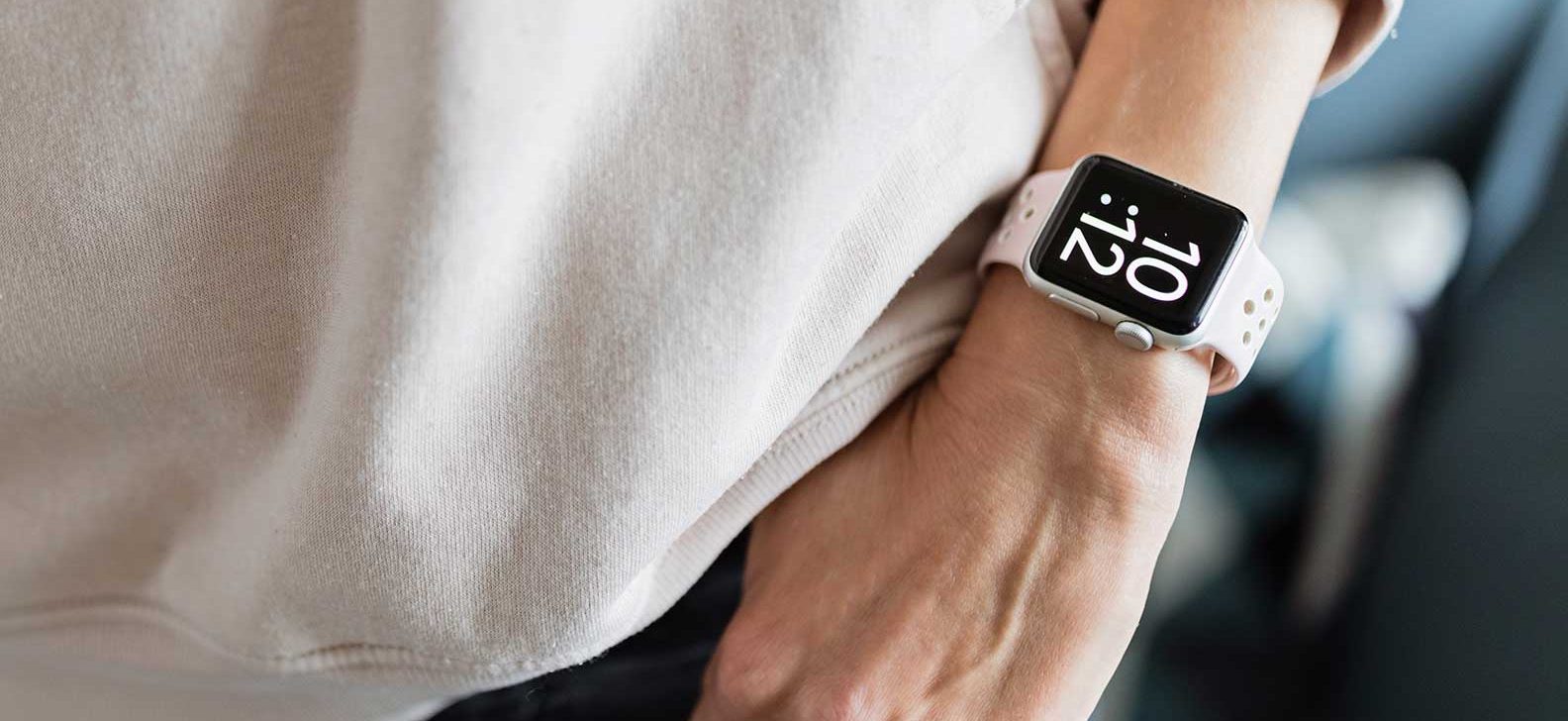
As we age, it becomes increasingly important to take steps to maintain our independence and safety. One key tool that can help with this is a medical alert system. These systems, like Phillips Lifeline or the Apple Watch, can provide peace of mind and help ensure that you get the help you need in case of an emergency.
In my own experience, I’ve had a few close calls that have made me think more seriously about using a medical alert system. I’ve had a few minor falls and even a serious health scare that landed me in the emergency room. While I don’t feel the need for a medical alert system at this moment, I know that the time may come when I’ll need one. And based on the statistics, I’m not alone – one in three people over 65 fall each year, and about half of them never tell anyone.
How do you know if a medical alert system is right for you?
- Do you have difficulty walking or use a mobility aid like a walker, wheelchair, or cane?
- Do you live alone or spend hours alone during the day?
- Do you have balance or memory problems?
- Do you have a serious medical illness or take medications that affect your balance?
- Have you fallen in the past or required emergency medical services?
- Do you want to continue living independently but need a way to easily or automatically alert someone that you need help?
If you answered yes to any of these questions, a medical alert system could be a valuable tool for you.

Phillips Lifeline with fall detection
So, what exactly is a medical alert system?
Typically, these systems consist of a base unit that sits in your home and a wearable device, like a wristband or pendant, that you can take with you wherever you go. Some systems also include a fall sensor, which can detect when you’ve fallen and automatically call for help.
One important thing to note is that fall sensors can occasionally send a false alarm, so it’s important to have a system with a delay built-in. Most systems give you 20-30 seconds to cancel the alarm before it calls for help.
Another key consideration is where you’re most likely to experience a fall. According to the National Institute on Aging, 80% of falls by seniors occur in the bathroom. For this reason, it’s important to choose a medical alert system that is waterproof so that you can wear it in the shower or bath.
Finally, it’s important to consider the cost of a medical alert system. While most systems don’t charge an upfront fee for the unit, there is typically a monthly subscription fee for monitoring. This fee covers the cost of the unit and 24/7 monitoring, so that you can be sure you’ll get the help you need in case of an emergency.
At Eldercare Home Health, we understand the importance of maintaining independence and safety as we age. We offer a range of services to help seniors live at home as long as possible, including personal support, nursing, and rehabilitation services. If you’re considering a medical alert system or other tools to help you age at home, we’re here to help. Contact us today to learn more.